The Journey of Your Old Gadgets: What Happens to Recycled Electronics?
Have you ever wondered about what happens to your old cell phone, laptop, or television after you drop it off at a recycling center? We often hear about the importance of recycling electronics, or e-waste, but the actual process remains a mystery for many. This article dives deep into the world of e-waste recycling in the United States, explaining who handles it, what steps are involved, when and where it occurs, why it's important, and how you can contribute to a more sustainable future. Let's unlock the secrets behind what happens to recycled electronics and discover the impact our choices have on the environment.
What Happens to Recycled Electronics: The Initial Sorting and Dismantling
Who handles the initial stage?
The journey begins with collection facilities, local recycling programs, and sometimes even manufacturers themselves. These entities gather your discarded electronics, setting the stage for the intricate process that follows. They carefully sort through the incoming e-waste, separating different types of devices and materials. This meticulous sorting is crucial because different electronics require different recycling processes. Think of it like sorting laundry - you wouldn't wash your delicates with your jeans, right? Similarly, each type of electronic device needs a specific approach to ensure efficient and safe recycling.
What does the initial stage involve?
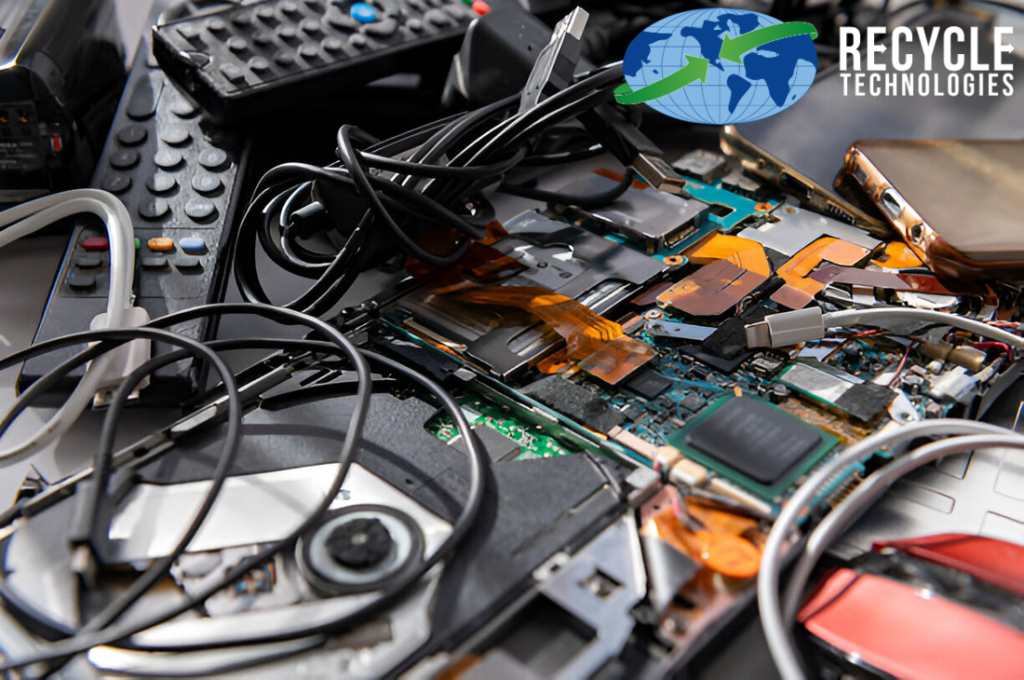
Dismantling is the next crucial step. Skilled workers take apart the electronics, carefully removing components like batteries, circuit boards, and hard drives. This isn't just about taking things apart; it's about identifying and separating materials that can be reused or pose a risk to the environment if not handled properly. Batteries, for instance, contain hazardous materials that need special treatment to prevent pollution. Circuit boards hold valuable metals like gold and silver that can be recovered and reused in new electronics. This initial stage is labor-intensive, requiring both manual effort and specialized tools to ensure efficient and safe processing.
What Happens to Recycled Electronics: Material Recovery and Refining
Where do the materials go?
After dismantling, the separated materials are sent to specialized recycling facilities. These facilities are equipped with advanced technology to recover valuable materials from the e-waste stream. Think of these facilities as high-tech gold mines, extracting precious resources from discarded electronics.
How are materials recovered?
The recovery process involves a range of techniques, including shredding, magnetic separation, and chemical processing. Shredding reduces the size of the materials, making it easier to separate different components. Magnetic separation uses powerful magnets to extract ferrous metals like iron and steel. Chemical processing, often involving smelting, is used to recover precious metals like gold, silver, and copper from circuit boards. These recovered materials can then be used to manufacture new products, reducing the need to mine for virgin resources.
Why is material recovery important?
Recovering these materials not only conserves natural resources but also reduces the environmental impact of mining and manufacturing. Mining can be incredibly destructive, causing habitat loss, soil erosion, and water pollution. By recycling electronics and recovering valuable materials, we can lessen our reliance on mining and protect our planet's precious resources. It's like giving the Earth a breather, allowing it to replenish its resources and recover from the impact of human activity.
What Happens to Recycled Electronics: Handling Hazardous Materials
What are the potential hazards?
Electronics contain hazardous materials like lead, mercury, cadmium, and brominated flame retardants. These substances can pose serious risks to human health and the environment if not handled properly. Lead, for example, can damage the nervous system and kidneys. Mercury is a potent neurotoxin that can accumulate in the food chain. Brominated flame retardants, used to make plastics less flammable, have been linked to hormone disruption and other health problems.
How are hazardous materials managed?
Specialized recycling facilities are equipped to safely handle these hazardous materials. They use controlled processes to prevent these substances from contaminating the environment or harming workers. This might involve encapsulating the materials in a stable form, chemically treating them to neutralize their toxicity, or carefully disposing of them in licensed hazardous waste landfills. These landfills are designed with multiple layers of protection to prevent the contaminants from leaching into the soil and groundwater.
Why is safe handling critical?
Proper handling of hazardous materials is essential to protect both human health and the environment. Improper disposal of e-waste, such as dumping it in regular landfills or shipping it to developing countries with lax environmental regulations, can have devastating consequences. It's like a ticking time bomb, slowly releasing harmful substances into the environment and putting vulnerable populations at risk. By ensuring that e-waste is recycled responsibly, we can prevent these harmful substances from causing harm.
What Happens to Recycled Electronics: The Role of Certification and Standards
What certifications are important?
Several certification programs promote responsible e-waste recycling practices. Two of the most prominent are the R2 (Responsible Recycling) and e-Stewards certifications. These certifications set standards for e-waste recycling facilities, ensuring that they meet specific environmental and safety requirements.
How do certifications help?
R2 certification, for example, focuses on responsible handling of e-waste, data security, and worker health and safety. e-Stewards certification goes even further, prohibiting the export of hazardous e-waste to developing countries. By choosing certified recyclers, you can be confident that your e-waste is being processed in a responsible and ethical manner.
Why are standards necessary?
These standards are necessary to ensure that e-waste is recycled safely and ethically. Without standards, there's a risk that e-waste will be handled improperly, leading to environmental pollution and worker exploitation. Certification programs provide a framework for responsible e-waste recycling, helping to create a level playing field and promote best practices across the industry. It's like having a referee in a game, ensuring that everyone plays by the rules and that the game is fair.
What Happens to Recycled Electronics: Your Role in the Process
How can you contribute?
You play a crucial role in ensuring that electronics are recycled properly. Start by finding certified e-waste recyclers in your area. Many manufacturers also offer take-back programs, allowing you to return your old electronics for recycling. Before recycling, remember to erase any personal data from your devices to protect your privacy.
Why is participation vital?
Your participation is vital to the success of e-waste recycling programs. By taking the time to recycle your old electronics responsibly, you're helping to conserve resources, protect the environment, and create a more sustainable future. Every little bit helps, and even small actions can have a big impact when everyone works together.
When should you recycle?
Don't wait until your electronics are completely obsolete before recycling them. Recycle them when you upgrade to a new device or when your old device is no longer functional. The sooner you recycle, the sooner valuable materials can be recovered and reused, reducing the need for mining and manufacturing. It's like nipping a problem in the bud before it has a chance to grow.
| Step | Description |
|---|---|
| Collection | Electronics are collected from various sources like homes, businesses, and collection drives. |
| Sorting | Electronics are sorted by type to streamline the recycling process. |
| Dismantling | Manual disassembly of electronics to remove hazardous components and valuable materials. |
| Material Recovery | Processing materials like metals, plastics, and glass for reuse in new products. |
| Hazardous Waste Management | Safe disposal or treatment of hazardous materials to prevent environmental contamination. |
Celebrity Profile: Leonardo DiCaprio and Environmental Activism
Leonardo DiCaprio, born November 11, 1974, in Los Angeles, California, stands out as more than just an acclaimed actor. His height is 6' 0", with a slim build, blonde hair, and blue eyes. Age Range: 40s-50s, Ethnicity: White. DiCaprio uses his platform to advocate for environmental causes. [Who] He is a dedicated environmental activist and actor. [What] He raises awareness and funds for environmental issues. [When] He has been active since the late 1990s. [Where] His work spans globally, from rainforests to oceans. [Why] He is passionate about protecting the planet for future generations. [How] He uses his fame to produce documentaries, support conservation projects, and speak at international conferences.
Summary Question and Answer:
Q: What ultimately happens to recycled electronics?
A: Recycled electronics undergo a multi-stage process involving sorting, dismantling, material recovery, and safe handling of hazardous materials. Valuable materials are reused, and harmful substances are managed to protect the environment.
Keywords: E-waste recycling, electronic waste, recycling process, hazardous materials, R2 certification, e-Stewards, sustainable practices, environmental protection, material recovery, certified recyclers, what happens to recycled electronics.
- What happens to your old electronics at a recycling facility? - Trashed electronics from Alberta, Saskatchewan and B.C. end up at the Quantum Lifecycle facility at the Edmonton Waste Management Centre. The company says Edmonton recycles more electronics per capita
- Netflix's 'Buy Now: The Shopping Conspiracy' Doc Reveals What Really Happens to Your Old iPhones - If you're a Good Person (TM), you've probably taken your broken or unwanted electronics to an e-waste disposal site. Maybe a friendly Staples employee has promised to recycle your laptop or phone
- A look at how e-waste is recycled, and where your data goes - Your Earth Day plans might call for some outdoor adventure, but don't go leaving your technology at home. Some of the eco-friendly events taking place across Canada might actually call for electronics
- We don't know what happens to the waste we recycle, and that's a problem - There is a glaring lack of tracking for global recycling. Poor waste management is deeply connected to climate change, plastic pollution and global nutrient imbalances globally. My research
- Recyclers reveal what happens to electronics dropped off at Butler Twp. recycling event - People who have waited all year to recycle electronic devices will pull into Butler Township Community Park on Saturday morning with their vehicles full of computers, televisions, phones and other
- What really happens to everything you recycle - What happens to that single-use plastic bottle after you, a conscientious citizen, place it in a recycling bin? Most people, if they think about it at all, assume it really will be recycled, probably
- Communities can't recycle or trash disposable e-cigarettes. So what happens to them? - WASHINGTON (AP) -- With the growing popularity of disposable e-cigarettes, communities across the U.S. are confronting a new vaping problem: how to safely get rid of millions of small, battery-powered Related qa
- Conquer Fatigue: Your Guide to Reclaiming Energy
- Air Force Game Time: Your Ultimate Guide
- The Journey of Your Old Gadgets: What Happens to Recycled Electronics
- Unlock Your Potential: What Does Agility Mean
- What Did Triceratops Eat Dino Diet Revealed
How Computers Are Recycled And What Happens To The Waste Electronic Solar Panels In Space Could Cut Europes Renewable Energy Needs By 80 Recyclers Reveal What Happens To Electronics Dropped Off At Butler Twp HZS L RECYCLE 0314 01 Apple To Use 100 Percent Recycled Rare Earth Elements By 2025 IStock 1372577388
What Happens To Recycled Electronics A Guide For Businesses Featured Image 275a8965 3ce9 4a30 B88a Where Does Your E Waste Go E Stewards Diagram US E Waste Statistics What Are The Numbers Each Year Electronics Recycle 5 How Computers Are Recycled And What Happens To The Waste Electronic How Computers Are Recycled And What Happens To The Waste
Why Sustainable Recycling Matters ECycle Solutions Rectangle 126 1 The Lifecycle Of Recycled Electronics 4THBIN The Lifecycle Of Recycled Electronics What Happens To Food Waste Where Your Recycling Goes Recycle Electronics How Computers Are Recycled And What Happens To The Waste Electronic MRA613A Theme Image
Technology Recycling Trends For 2025 Com Technology Recycling Trends For 2025 What Businesses Need To Know LA Post Recycling Electronics Made Simple The Solution To Sustainable 1631408902 1274x782 Electronics Recycling The E Scrap Lifecycle Sutter Metals Recycling E Waste Sutter Metals 819x1024 How Electronics Recycling Works Free E Waste Pickup In London ON The Process Of Electronics
Calendar Electronics Recycling Event DocumentBest 5 Eco Friendly Gadgets Built From Recycled Electronics FabLoots Electronics Recycling Shredding Event Saturday June 7th 8am 11am Electronics Recycling Electronics Recycling Process From Collection To Reuse What Happens To Electronics After Theyre Recycled 1024x683
What Do We Do With Your Electronics Recycling Recycling Electronics JH Recycle Pro Blogs Good Tips For Sell The Impact Of Ewaste How Recycling Electronics Can Make AElectronic Waste Recycling Beats Disposal Sunny SMA Corporate Blog 2020 08 10 What Happens To Recycled Electronics Request A FREE Quote Ewaste Blog 1 1 2048x1365
How Computers Are Recycled And What Happens To The Waste Electronic Sustainable Electronics Designing For Repair And Recycling What Happens To Your Old Electronics The Reality Behind E Waste Recycling 2ac047 The 2025 Guide To Recycling Electronics Beauty Empties And Clothing The 2025 Guide To Recycling Electronics Beauty Empties And C Y765.1248 What Happens To Recycled Electronics Request A FREE Quote Screenshot 2024 10 17 060120 1024x677
Data Destruction Process For Old Electronics ECycle Solutions What Happens To Your Information After Youve Recycled Your Old Electronics What Actually Happens To Your Recycled Electronics PBS News Hour Mezzanine 690 Electronics Recycling 101 Learn With That Metal Guy In London ON What Is Electronics Recycling Cover Page.webpRecycling Challenges In Electronic Components Strategies For Success Recycling Challenges In Electronic Components Strategies For Success 1080x628
DRex Electronics Global Electronic Components Distributor In Electronics Recycling And Eco Friendly Component Materials 1 How To Recycle Electronics Recycle Untitled Design 32 1 1024x680 Electronics Recycling The E Scrap Lifecycle Sutter Metals Electronics Recycling How To Recycle 1024x683