Is Flu A This Season's Uninvited Guest? What You Need to Know!
So, what's the big buzz around Flu A, and why does it seem to be popping up in every conversation lately? Well, it's a critical topic for everyone, especially as we navigate the cooler months here in the United States. Influenza A, a common respiratory virus, makes its annual rounds, typically peaking from fall through winter, and knowing the ins and outs is your best defense. This season, understanding who is most at risk, what exactly Flu A entails, when to take preventative action, where outbreaks are often concentrated, why protection is absolutely essential, and how you can effectively safeguard yourself and your loved ones from illness and serious complications, is more vital than ever. We're talking about empowering you with the knowledge to stay healthy, confident, and prepared, ensuring you don't just survive flu season, but thrive through it with peace of mind. Let's dive in and unravel the mysteries surrounding Flu A, giving you the upper hand against this persistent seasonal challenge.
Navigating the World of Flu A: Your Essential Guide
Flu A isn't just a simple sniffle; it's a powerful respiratory virus that has a real knack for spreading quickly and causing significant illness across communities. When we talk about "Flu A," we're referring to one of the main types of influenza viruses that infect humans, often responsible for the seasonal epidemics we see year after year. It's important because these viruses are constantly evolving, meaning last year's immunity might not fully protect you from this year's circulating strains. This constant evolution is why public health officials, doctors, and scientists keep a very close eye on it, and it's also why understanding its dynamics is key to keeping yourself and your family safe. Can you imagine a world where we didn't have the tools and information to fight back against these common invaders? Thankfully, we do, and being well-informed is your first and most crucial step in that defense. We'll explore what makes Flu A tick, how it impacts your body, and most importantly, how you can confidently arm yourself with knowledge and proactive measures to prevent its unwelcome visit this season.
Why Flu A Is a Hot Topic This Season: Understanding Its Impact
Why does Flu A feel like it's everywhere right now, dominating headlines and social media feeds across the nation? This season, there's a palpable sense of concern, partly because after a few milder flu seasons during the peak of other respiratory challenges, Flu A is showing a robust return, reminding us of its potential to cause widespread disruption. Many people are perhaps more aware and vigilant about respiratory illnesses than ever before, which means any uptick in cases naturally garners significant attention. Moreover, the strains circulating this year might be particularly active or affecting different age groups in unexpected ways, contributing to the heightened focus. Understanding this trend isn't about fostering panic, but rather about encouraging a collective sense of responsibility and proactive health management. It's about recognizing that when an illness becomes a prevalent topic, it often signals a moment to double down on our protective strategies. We're empowering you to not just observe the trend, but to actively participate in shaping a healthier outcome for yourself and your community. What do you think about the collective awareness we've built around public health in recent years?
Empower Yourself: How to Protect Against Flu A
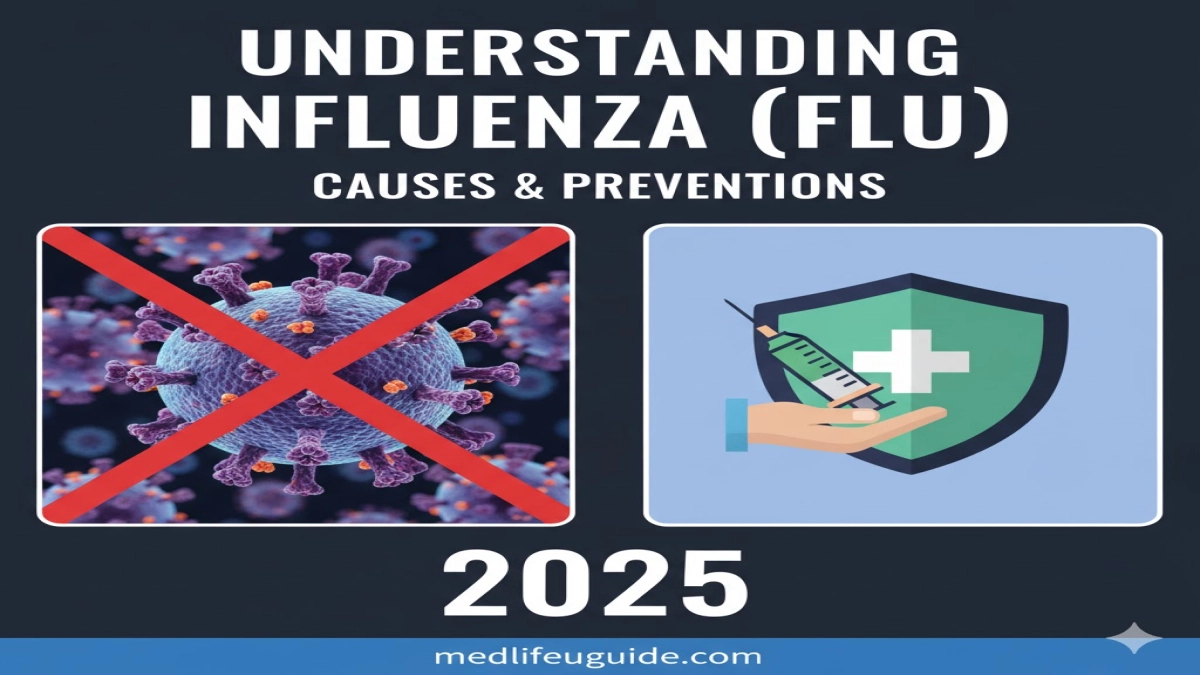
Protecting yourself and your loved ones from Flu A doesn't have to feel like an overwhelming battle; it's actually about adopting a few straightforward, empowering habits that make a huge difference. First and foremost, the flu vaccine remains your top defense strategy. Think of it as your annual shield, specifically designed to prepare your immune system for the strains predicted to be most common, including various types of Flu A. Beyond the shot, simple yet powerful practices like diligent handwashing - yes, that age-old advice still holds immense power - can drastically reduce the spread of germs. So, remember to wash your hands frequently with soap and water for at least 20 seconds, especially after coughing, sneezing, or being in public places. Well, what about when soap and water aren't around? That's where alcohol-based hand sanitizers, with at least 60% alcohol, become your portable germ-fighting heroes. Avoiding touching your face, especially your eyes, nose, and mouth, is another crucial habit, as this is how many viruses gain entry into your body. Finally, practicing good respiratory etiquette, like covering coughs and sneezes with a tissue or your elbow, keeps those pesky germs from spreading to others. These aren't just suggestions; they are your personal power moves against Flu A, giving you the confidence and control to navigate flu season safely.
Spotting the Signs: Symptoms of Flu A to Watch For
When it comes to Flu A, knowing what symptoms to look for is like having an early warning system, giving you the power to act quickly and get the care you need. Unlike a common cold, which tends to develop gradually with mild symptoms, Flu A often hits hard and fast, making you feel miserable almost overnight. So, what are the key indicators? You'll typically experience a sudden onset of fever, often reaching 100?F (37.8?C) or higher, alongside body aches that can feel like every muscle in your body is protesting. Severe fatigue, a persistent cough, and a sore throat are also very common. Headaches can be intense, and some people even experience chills and sweats. Well, it's worth noting that while these are the general hallmarks, not everyone will have every symptom, and the severity can vary from person to person. For instance, some folks might not even run a fever, but still feel incredibly unwell. The important takeaway here is to pay attention to your body and recognize when these symptoms cluster together, especially if they appear abruptly. Early recognition not only helps you seek timely treatment but also prompts you to isolate, preventing further spread to those around you.
| Aspect | Details |
|---|---|
| **Who** | Affects all ages, but young children, older adults, pregnant women, and individuals with chronic health conditions are at higher risk for severe complications. |
| **What** | Influenza A virus, a common respiratory pathogen responsible for seasonal epidemics. Characterized by sudden onset of symptoms. |
| **When** | Predominantly circulates during the fall and winter months in the United States, typically peaking between December and February. |
| **Where** | Widespread global distribution, with seasonal outbreaks occurring across communities, schools, workplaces, and homes throughout the U.S. |
| **Why** | To protect against severe illness, hospitalization, and death. Prevents community spread and reduces strain on healthcare systems. |
| **How** | Primarily spread through respiratory droplets when an infected person coughs, sneezes, or talks. Preventable through vaccination, hand hygiene, and avoiding close contact. |
| **Common Symptoms** | Fever, body aches, headache, fatigue, cough, sore throat, runny or stuffy nose, chills. |
| **Prevention** | Annual flu vaccination, frequent handwashing, avoiding touching face, covering coughs/sneezes, staying home when sick. |
When to Act: Seeking Medical Attention for Flu A
Knowing when to transition from self-care to professional medical attention for Flu A is a crucial part of empowering yourself during flu season. While many healthy individuals can recover from the flu at home with rest and fluids, certain symptoms signal that it's time to reach out to a doctor promptly. For adults, look out for difficulty breathing or shortness of breath, persistent pain or pressure in the chest or abdomen, sudden dizziness, confusion, or severe or persistent vomiting. These are not typical flu symptoms and suggest a more serious complication might be developing. For children, emergency warning signs include fast breathing or trouble breathing, bluish lips or face, not drinking enough fluids, not waking up or interacting, being so irritable that they don't want to be held, or having flu-like symptoms that improve but then return with fever and worse cough. Well, also consider your underlying health conditions. If you have asthma, diabetes, heart disease, or are pregnant, or if you're over 65 or under 5 years old, your risk of complications is higher, and a doctor's visit at the first sign of flu symptoms is strongly recommended. Don't hesitate; trusting your instincts and seeking timely medical advice can make all the difference in ensuring a smoother recovery and preventing severe outcomes.
Debunking Myths: Common Misconceptions About Flu A
Let's clear the air and bust some common myths surrounding Flu A, because having accurate information empowers you to make smarter health decisions. One of the biggest misconceptions is that the flu vaccine can give you the flu. Can you imagine getting sick from the very thing designed to protect you? Well, the truth is, flu vaccines are made with inactivated virus particles or only a single gene from the virus, meaning they can't actually cause influenza infection. Any mild symptoms you might experience, like a sore arm or low-grade fever, are just your immune system building its defense, not a full-blown flu. Another widespread belief is that antibiotics can cure the flu. So, here's the deal: antibiotics fight bacterial infections, while the flu is caused by a virus. They simply won't work against Flu A! Antiviral medications, prescribed by a doctor, are the only pharmaceutical treatment specifically for the flu. Then there's the idea that only older or sick people need the flu shot. This couldn't be further from the truth! While vulnerable groups are at higher risk, a healthy individual can still catch and spread Flu A, potentially infecting someone who is at high risk. Getting vaccinated protects not just yourself, but your entire community, creating a vital shield for everyone. Dispel these myths, and you're already a step ahead in safeguarding your health with confidence and clarity.
Your Questions Answered: Flu A Q&A
We know you have questions, and getting straight answers is vital for making informed health decisions. Let's tackle some of the most common inquiries about Flu A head-on.
Question: Is Flu A more severe than Flu B? Answer: While both can cause significant illness, Flu A is generally associated with more widespread and severe epidemics, often leading to more hospitalizations and deaths. Flu A viruses are also more diverse and prone to antigenic shift, which means they can change dramatically, leading to new pandemic strains. Flu B typically causes milder outbreaks but can still be quite serious, especially in children. So, while both demand respect, Flu A generally carries a higher potential for widespread impact.
Question: Can I get Flu A even if I've been vaccinated? Answer: Yes, it's possible, but here's the crucial part: if you do get sick after vaccination, your illness is very likely to be much milder. The flu vaccine isn't 100% effective because flu viruses can mutate, and sometimes the circulating strains don't perfectly match those in the vaccine. However, the vaccine significantly reduces your risk of severe complications, hospitalization, and even death. Think of it as putting on a sturdy helmet; you might still get into an accident, but your chances of serious injury are drastically reduced.
Question: How long is someone contagious with Flu A? Answer: Typically, adults with Flu A can be contagious starting one day before symptoms appear and up to 5 to 7 days after becoming sick. Children, especially younger ones, can sometimes be contagious for even longer than 7 days. This is why staying home when you feel unwell, even with mild symptoms, is so important, because you could be spreading the virus before you even realize you're truly sick. It's about being responsible and protecting those around you, ensuring you don't inadvertently pass it on.
Question: What's the best way to clean my home to prevent Flu A spread? Answer: Regular cleaning and disinfection of frequently touched surfaces are your best bets! Think doorknobs, light switches, countertops, remote controls, and phones. Use household cleaners or disinfectant wipes that are effective against viruses. Be sure to follow the product instructions for contact time - that's how long the surface needs to stay wet for the disinfectant to work properly. And remember, good ventilation can also help, so open a window when you can to let fresh air circulate.
Question: Are there any natural remedies that help with Flu A? Answer: While no natural remedy can cure Flu A, some can certainly help ease your symptoms and support your body's recovery. Lots of rest and staying well-hydrated with water, broths, and electrolyte drinks are paramount. Honey can help soothe a cough, especially for children over one year old. Warm beverages can also provide comfort for a sore throat. However, these are supportive measures, not treatments. If your symptoms are severe or concerning, always consult a healthcare professional, as they can guide you on specific antiviral treatments if needed.
Question: Should I wear a mask to avoid Flu A? Answer: Wearing a mask, especially in crowded indoor settings or if you are at higher risk for severe illness, can certainly add an extra layer of protection against Flu A. Masks create a barrier that helps reduce the inhalation of respiratory droplets containing the virus and also prevents you from spreading droplets if you happen to be unknowingly contagious. So, if you're looking for an additional step beyond vaccination and hand hygiene, donning a mask can be a smart and considerate choice for your health and the health of those around you.
In summary, Flu A is a prevalent respiratory virus that makes its annual rounds, typically peaking in fall and winter across the United States. What is Flu A and how can we protect ourselves from its widespread impact? It's an influenza virus causing seasonal epidemics, and protection comes from annual vaccination, diligent hygiene, and recognizing symptoms to seek timely medical care.
Keywords: Flu A, Influenza A, Flu Season, Flu Symptoms, Flu Vaccine, Flu Prevention, Viral Infection, Public Health, Respiratory Virus, Seasonal Flu, Flu Treatment, CDC Flu, Flu Outbreak, Health Tips, United States Flu, Stay Healthy, Immune System, Flu Protection, Flu Q&A.
- Statement from regional Medical Officers of Health on sharp rise in serious flu cases in children - There has been a rapid and significant rise in Influenza A across Ontario, including the Eastern Ontario region. CHEO is reporting a higher-than-usual number of flu cases and complications for this
- Flu cases rising across Canada ahead of the holidays. What you need to know. - Influenza activity is climbing across Canada as the holiday season approaches, with health officials reporting sharp increases in cases.
- Why is flu so bad this winter - and should you buy a vaccine? - Flu has come early and experts predict it could be a particularly nasty season, with a new strain circulating.
- As flu cases rise in Waterloo region and area, officials urge people to get vaccinated before the holidays - Flu season has arrived in Waterloo region, Guelph and Wellington County with lab-confirmed cases on the rise. People are reminded now is a good time to get their COVID and flu shots to be protected
- Flu cases surge in Ontario, but experts say it's not too late to prevent serious illness - For most people, influenza is unpleasant (to say the least), but for others, a tangle with the common virus can lead to hospitalization and, in rare cases, death. While the 2025/2026 flu season is
- A bad flu season may be on the way. Here's what to know. - New York City logged the first "very high" flu activity reading of the year, raising concerns about the season ahead.
- London-area emergency departments busier as region records jump in flu cases - London-area hospitals say their emergency departments are feeling the impact of the heightened respiratory virus season, with longer wait times and more patients presenting with flu-like symptoms.
- Do you have the super flu - or just a cold? Here's how to tell the difference - "While colds are usually mild and self-limiting, both colds and flu can lead to complications such as sinusitis, ear infections, chest infections, and worsening of underlying health conditions," says
- 'Double whammy' of flu and strikes a risk to patients, Streeting says - The number of patients in hospital in England with influenza has risen by more than 50% in the past week, with NHS bosses warning there is no sign of super flu peaking yet. In the week up to Sunday Related news
- What Makes the AP AllAmerican Team So Special Anyway
- Rayo vs Betis: What Makes This La Liga MatchUp So Hot
- Yungbluds Explosive Rise: What Makes This Rebel Rocker Unstoppable
- Is TikTok Still Dominating Your World Unpacking the Latest News
- Tony Allen: The Defensive Maestro Still Trending in the USA
Why 2024 2025 Flu Season Is Different The Second Peak 2024 2025 FLU SEASON 2024 2025 Flu Vaccines Removing B Yamagata Influenza Virus Strain Fluvirusvax Thumb Weekly US Influenza Report Key Updates For Week 1 Ending NCHS01
Flu 2024 2025 Wessex LMCs All Influenza Vaccines 2024 2025 1 768x851 Flu Season 2025 Don T Be Caught Out VaxWorks Health Services VaxWorks Flu Season 2025 Best Practices For Patient Care Respiratory Illnesses CDC 2024 2025 Respiratory VirusInfluenza Vaccine 2025 WHO Recommended Formula In Thailand ??????
Weekly US Influenza Report Key Updates For Week 10 ILI10 Getting Vaccinated Against Influenza Resource Collection Influenza 2025 Influenza Flu Vaccination General Poster Why This Year S Flu Season Is The Worst In More Than A Decade Worst Flu Year Graphic D TEXT General Practice CESPHN 2025 Flu 1
2025 Flu Vaccine New Strains Image Influenza Flu Causes Preventions 2025 Influenza Flu Causes Preventions 2025.webp2025 Flu Vaccine Composition VaxWorks Health Services 2025 Flu Vaccine Composition Flu 2024 2025 Wessex LMCs Flu Vaccine 2024 To 2025 Season
People Who Got A Flu Vaccine 27 Percent More Likely To Get The Virus Flu Influenza Activity In The United States During The 2023 2024 Season And Figure 08 How Does This Year S Flu Shot Stack Up MedPage Today 112461 Getting Vaccinated Against Influenza Resource Collection Influenza Influenza In Kids Can Be Serious Social Media Tile 0
Thailand Influenza 2025 A Concern To Travellers WellMed Bangkok Clinic Woman Face Mask Covering Mouth Nose Corona Virus Covid 19Preliminary Estimated Flu Disease Burden 2024 2025 Flu Season Flu CDC 25 FluView Burden Estimates 5.22.25 1 2024 2025 2024 2025 Preliminary Flu 2025 NIP8712 65 Protect Yourself And Your Wh Nau DL Flyer Over65 And55 DLflyer 1200x1200
Flu 2025 NIP8722 Protect Yourself And Your Wh Nau A3 Poster HealthEd PosterA3 WEB 1200x1200 Flu 2025 2026 1 2 X 1 2 United Ad Label Ulflu2526