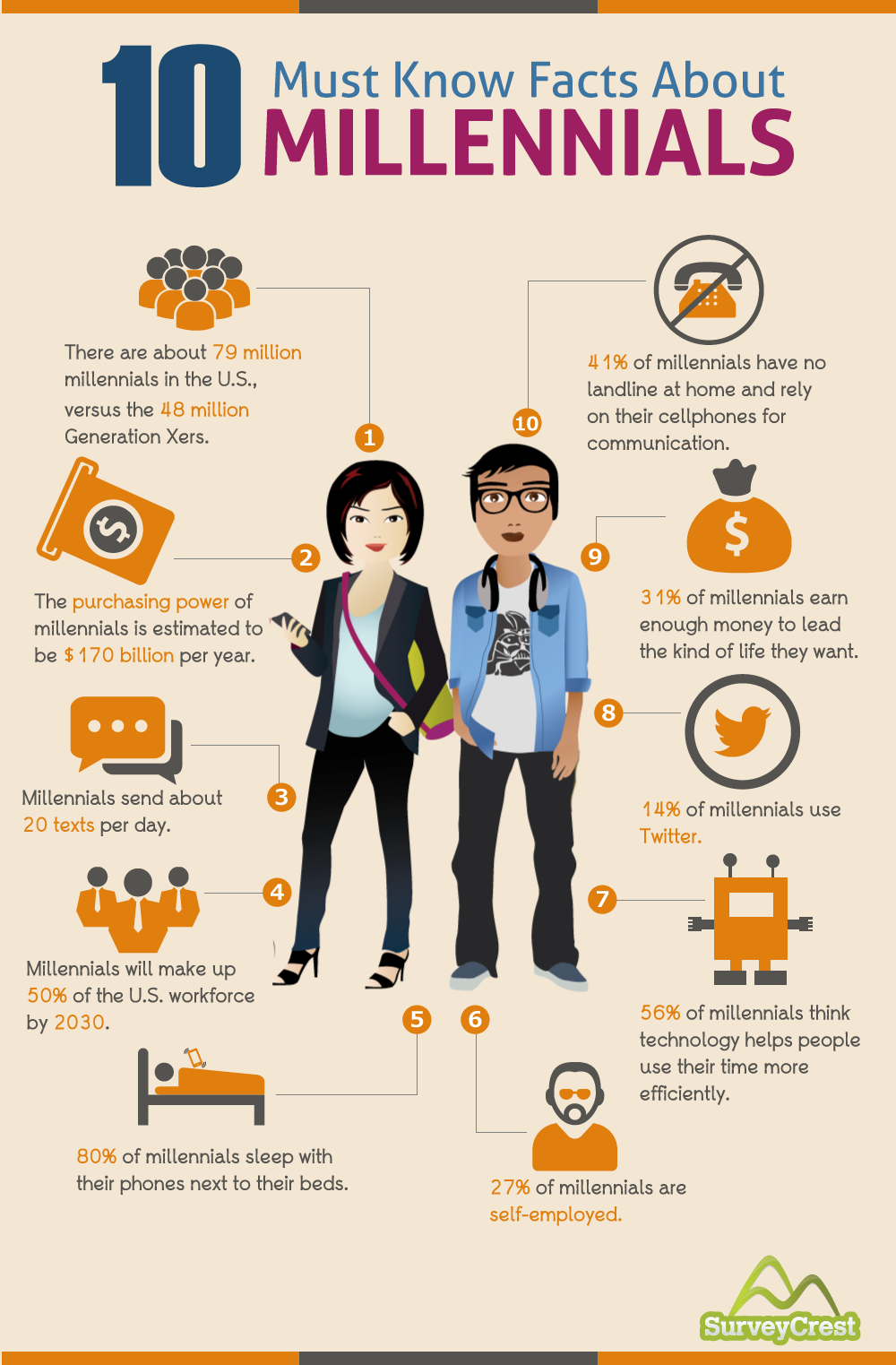
Is the Millennial Generation Really Changing Everything We Know?
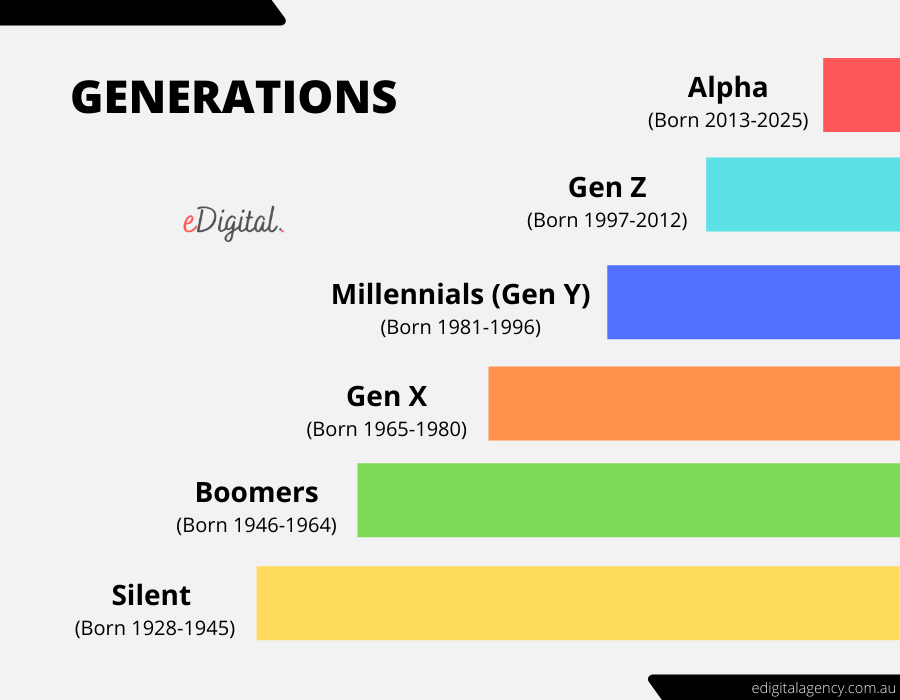
Who are Millennials, exactly? They're the demographic cohort following Generation X, typically born between 1981 and 1996, and they've profoundly reshaped culture, economy, and society across the United States. What sets them apart is their unique journey: coming of age during a period of rapid technological advancement, economic upheaval like the Great Recession, and a globalized, hyper-connected world. When we talk about their impact, we're looking at everything from the digital transformation of communication and work to shifts in consumer behavior and family structures. Where do we see their influence most? Everywhere, from bustling urban centers where they prioritize experiences over possessions, to the evolving landscape of remote work impacting suburban and rural areas. Why are they so impactful? Because they represent a massive segment of the workforce and consumer base, driving innovation and challenging traditional norms. How have they done this? By embracing technology, advocating for social change, and redefining what success and happiness truly mean in the 21st century, often through collective action and vibrant digital communities. This generation isn't just adapting; they're actively forging new paths and inviting us all along for the ride.
Understanding Millennials: Who Are They, Really?
Stepping into the world of Millennials means understanding a generation shaped by incredible shifts. We often define them as individuals born roughly between 1981 and 1996, meaning today they range from their late twenties to early forties. Can you imagine growing up with dial-up internet and then watching smartphones become an extension of your hand? That's the technological leap many Millennials experienced. They saw the internet evolve from a novelty into an essential part of daily life, making them digital pioneers rather than mere digital natives. This unique position means they can bridge the gap between older, pre-internet generations and younger, always-connected ones. This perspective has given them a distinctive worldview, valuing information, connectivity, and, perhaps most importantly, authenticity. They've witnessed major historical events, from 9/11 to the 2008 financial crisis, which profoundly influenced their perspectives on security, financial stability, and global interconnectedness. This background shapes their aspirations and their approach to life's big questions, compelling them to seek meaning and purpose in their endeavors.
Millennials and the Digital Revolution
The digital revolution isn't just something Millennials observed; they actively built it, making it an integral part of their very being. For many of them, social media platforms emerged during their formative years, transforming how they communicate, connect, and even understand themselves. Think about it: they're the first generation to extensively curate their online identities and navigate the complexities of digital footprints. This constant exposure to information, diverse viewpoints, and global trends has fostered a strong sense of social awareness and a desire for transparency. They don't just consume content; they create it, share it, and engage with it in ways previous generations never dreamed possible. This fluency with technology makes them incredibly adaptable and innovative, whether they are building new businesses, advocating for causes, or simply finding new ways to connect with friends and family across vast distances. So, it's no surprise that their approach to everything, from shopping to relationships, is deeply intertwined with their digital lives.
The Millennial Workforce: Reshaping How Millennials Work
Millennials are fundamentally redefining what "work" means, moving far beyond the traditional 9-to-5 grind their parents often knew. They aren't just looking for a paycheck; they crave purpose, flexibility, and a healthy work-life balance that genuinely supports their well-being. This generation has led the charge towards remote work, proving that productivity isn't tied to an office desk, and they champion environments where collaboration and innovation thrive. Many Millennials entered the workforce during challenging economic times, which instilled in them a resilient spirit and a drive to create their own opportunities, often through entrepreneurship or the burgeoning gig economy. They value strong company culture, opportunities for growth, and leaders who are empathetic and transparent. This shift in values has pushed companies to rethink everything from benefits packages to management styles, demonstrating just how powerful the collective voice of this generation can be.
Here are the top 5 values many Millennials seek in their workplaces:
- Purpose: They want their work to contribute to something meaningful, beyond just profit.
- Flexibility: Options for remote work, flexible hours, and time off for personal pursuits are highly prized.
- Growth: Opportunities for skill development, mentorship, and career advancement are essential for engagement.
- Culture: A positive, inclusive, and supportive work environment where they feel valued is paramount.
- Transparency: Open communication from leadership and clear pathways for feedback are deeply appreciated.
The Gig Economy and Millennial Drive
The rise of the gig economy feels tailor-made for the Millennial generation's innovative spirit and desire for autonomy. Many Millennials, faced with student loan debt and a competitive job market, have embraced freelance work, contract roles, and side hustles as viable and often preferable career paths. This isn't just about making extra cash; it's about gaining control over their schedules, diversifying their income streams, and pursuing multiple passions simultaneously. This entrepreneurial drive allows them to experiment with different skills, build unique portfolios, and often work on projects that align more closely with their personal values. The flexibility of the gig economy offers a compelling alternative to traditional employment, enabling them to navigate life's challenges, like balancing family responsibilities or pursuing further education, without being tied to a single employer. This forward-thinking approach to earning a living reflects a generation that is determined to write its own rules for professional success.
Millennial Lifestyles: Choices and Challenges for the Generation
The lifestyle choices of Millennials have definitely bucked some long-standing trends, reshaping everything from housing markets to family dynamics. Many in this generation face significant financial hurdles, including substantial student loan debt and soaring housing costs, which often delay major life milestones like buying a home or starting a family. They frequently prioritize experiences over material possessions, choosing to spend on travel, dining out, and cultural events rather than investing in a large suburban house right away. This preference has led to a noticeable trend of urban living, at least initially, where amenities and social connections are readily accessible. So, while some traditional markers of adulthood might arrive later for Millennials, they are actively defining their own versions of success and happiness, often embracing a more fluid and less conventional path. It's truly fascinating to observe how they navigate these choices amidst unique economic pressures.
| Characteristic | Millennial Trend / Impact |
|---|---|
| Birth Years | 1981 - 1996 |
| Defining Events | 9/11, Great Recession, rise of internet/social media |
| Technology Use | Digital pioneers; highly proficient with internet and mobile devices |
| Work Ethic | Prioritize purpose, flexibility, work-life balance, growth opportunities |
| Economic Challenges | High student loan debt, housing affordability issues |
| Consumer Habits | Value experiences, ethical brands, online shopping, reviews |
| Social Values | Strong advocates for diversity, inclusion, social justice, authenticity |
| Family Formation | Tend to delay marriage and parenthood compared to previous generations |
Millennial Consumer Power: The Spending Habits of Millennials
When it comes to spending, Millennials are a force to be reckoned with, and their habits are driving massive shifts in the retail and service industries. They are savvy consumers who aren't easily swayed by traditional advertising; instead, they trust peer reviews, social media influencers, and brands that align with their personal values. What do you think, wouldn't you want to support a brand that stands for something positive? This generation often prioritizes ethical consumption, seeking out companies with strong sustainability practices and a commitment to social responsibility. They are comfortable shopping online, comparing prices, and demanding transparency about product origins and ingredients. Beyond physical goods, Millennials eagerly invest in experiences - think travel, concerts, fitness classes, and unique dining opportunities. This focus on "doing" rather than "having" has fueled the growth of experiential businesses and reshaped how companies market their offerings to resonate with this powerful demographic.
Social Impact: Millennials as Agents of Change
Millennials stand out as a generation deeply committed to driving social change, often using their digital fluency to amplify their voices and mobilize action. They grew up with immediate access to global information, which fostered a keen awareness of social injustices and environmental concerns, both at home and abroad. From advocating for climate action to championing LGBTQ+ rights and racial equality, Millennials consistently show up for causes they believe in, sometimes taking to the streets and often organizing online. They are not content with the status quo; they challenge established norms and push for more inclusive and equitable systems. This unwavering commitment to making a positive difference shapes their political engagement, consumer choices, and even their career paths, compelling them to integrate their values into every aspect of their lives. Their collective power to influence public discourse and inspire new movements is truly remarkable.
How Millennials Are Shaping Future Generations
As many Millennials step into parenthood, they are bringing a fresh, deliberate approach to raising the next generation, often incorporating lessons learned from their own upbringing and the unique challenges they've faced. They tend to be highly involved, "conscious" parents, prioritizing open communication, emotional intelligence, and fostering individuality in their children. Having grown up with technology, they are also navigating the digital world with their kids, often seeking a balance between screen time and real-world experiences. Can you imagine teaching your child how to code while also encouraging outdoor exploration? That's the balance many Millennial parents strive for. They are instilling values of diversity, empathy, and social responsibility from an early age, hoping to raise citizens who are adaptable, critical thinkers, and engaged in making the world a better place. Their parenting styles are clearly influencing the traits and values that will define Generation Alpha, ensuring a continuous evolution of societal norms.
What's Next for Millennials? Navigating Midlife and Beyond
As Millennials approach and enter their mid-thirties and forties, they stand on the cusp of a new chapter, facing both fresh opportunities and evolving challenges. Many are now raising families, settling into more established careers, and starting to focus on long-term financial planning, often with the lingering weight of student debt. They will become the primary leaders in many industries, shaping workplace cultures and driving innovation from positions of greater influence. What do you think they'll prioritize as they gain more power? We can expect them to continue advocating for policies that support work-life integration, environmental sustainability, and social equity, bringing their core values into the mainstream. This phase of life will test their resilience, as they navigate aging parents, evolving technology, and a rapidly changing global landscape, all while working to secure their own futures and leave a meaningful legacy.
People Ask About Millennials: Your Questions Answered!
This section tackles some of the most common questions and perceptions surrounding the Millennial generation, offering clear, straightforward answers. We aim to debunk myths and provide insights into who Millennials really are and what drives them.
Q: Why are Millennials sometimes called "the snowflake generation"? A: This label often stems from a misconception that Millennials are overly sensitive or entitled, particularly in the workplace, valuing comfort and validation above all else. However, this perspective largely ignores the complex economic and social pressures they face, like unprecedented student debt and multiple recessions. Instead of being fragile, many see Millennials as highly empathetic and attuned to issues of mental health, inclusivity, and fairness. They simply expect workplaces and society to reflect these values, which can sometimes be misinterpreted as "sensitivity" by those accustomed to older norms. This generation seeks environments where they feel valued and respected, which is a strength, not a weakness, enabling them to foster more humane and productive spaces.
Q: How do Millennials impact the housing market in the United States? A: Millennials significantly impact the housing market, driving unique trends due to a combination of economic factors and lifestyle preferences. Facing higher student loan debt and wage stagnation compared to previous generations at the same age, many have delayed homeownership. This has fueled a strong rental market, particularly in urban centers where they initially gravitated for job opportunities and vibrant social scenes. As some Millennials now age and start families, we see a gradual shift towards suburban areas, often seeking more space and better schools, but with a continued emphasis on walkable communities and access to amenities. Their demand for modern, sustainable homes and communities also pushes developers to innovate, influencing everything from smart home technology to mixed-use developments.
Q: What defines Millennial parenting styles? A: Millennial parenting is often characterized by an engaged, "conscious" approach that prioritizes open communication, emotional development, and fostering strong self-esteem in children. Many Millennial parents actively seek to break cycles from their own upbringing, often emphasizing experiences over material possessions and advocating for their children's needs in educational and social settings. They are also the first generation to extensively integrate technology into parenting, from using apps for tracking development to navigating screen time guidelines. What's more, they often rely on online communities and peer groups for advice and support, reflecting their digitally-connected nature. This holistic approach aims to raise well-rounded, resilient, and socially aware individuals.
Q: Are Millennials financially stable, considering their challenges? A: Financial stability for Millennials is a complex issue, marked by significant challenges but also a strong drive to overcome them. While many grapple with substantial student loan debt, which impacts their ability to save, invest, or buy homes, this generation is also notably financially literate and proactive. They are often keen on side hustles, multiple income streams, and savvy budgeting, having learned resilience from economic downturns. They are less likely to rely solely on traditional pensions and more likely to invest in diverse portfolios or pursue entrepreneurial ventures. So, while they face a steeper climb than previous generations did at the same age, they are actively building financial security through innovative and adaptive strategies, proving their determination and resourcefulness.
Q: Where do most Millennials live across the United States? A: Initially, many Millennials flocked to major urban centers across the United States, drawn by job opportunities, cultural amenities, and the vibrant social scenes of cities like New York, Los Angeles, Chicago, and Austin. This trend led to a revitalization of many downtown areas. However, as they age and their priorities shift towards family formation and seeking more affordable housing, we're seeing a gradual decentralization. Many are moving to more affordable secondary cities or suburban areas that still offer good amenities and community feel. The rise of remote work, greatly accelerated by recent events, also means that a growing number of Millennials can choose to live wherever they desire, spreading their presence into a wider range of geographic locations than ever before, creating new hubs of Millennial influence.
Summary Question: So, are Millennials truly the generation of change, or just a product of their times? Answer: They are undeniably both; a product of the digital age and economic shifts, but also powerful agents actively driving profound societal, cultural, and economic transformations with their unique values and forward-thinking approaches.
Keywords: Millennials, Millennial generation, Gen Y, American Dream, workforce, technology, digital native, social change, parenting, consumer behavior, housing market, gig economy, financial stability, work-life balance, Gen Z, trends, United States, future, social impact, lifestyle.
- In just 15 years millennials and Gen Z's are expected to make up a third of the world's ultra-wealthy. Here's what's fueling their growing affluence - ALTRATA projects that, by 2040, millennials and Gen Z will make up more than a third of the world's ultra-wealthy, up from just 8% today. Generation X will hold the largest share at 45%, while boomers
- In 15 years, millennials and Gen Z will make a third of the world's ultra-wealthy. Here's what's driving their rise - The world's wealth is about to change hands on a massive scale. Today, baby boomers control more than half of America's wealth -- roughly $78.5 trillion, or 51.8% of the nation's total. (1) They also
- New data shows global indices are 2025's most traded markets, driven largely by Millennials - The study conducted by FCA-regulated fintech and financial services provider, Trade Nation, has unveiled the most traded financial markets of the year so far,
- The Creator Middle Class Is Real, and Millennials Are Quietly Building It - This middle tier isn't defined by viral fame or extravagant sponsorships. It's defined by sustainability: creators who consistently earn income through affiliate commerce, data-driven partnerships,
- Millennials Who Grew Up As 'Bedroom Kids' Are Noticing They're Raising 'Living Room Kids' - So if you are also a millennial that you're raising 'living room kids' when you were a bedroom kid, shoutout to you because something's going right," Thornton said, admitting that such a scenario can
- How Much Do Millennials Have Saved in Their 401(k) Plans in 2025? - Millennials have an average of $67,300 in their 401(k)s--but is that enough? Here's how your savings stack up and what you can do to close the gap.
- Boomers stay late, Millennials burn out, GenZ set boundaries: Welcome to work life in 2025 - Modern offices are a melting pot of Boomers, Millennials, and Gen Z, each with distinct communication styles and work philosophies. While generational differences create unique workplace dynamics,
- 13 Reasons Why Millennials Hate Making Phone Calls - Contrary to popular belief, the generation that grew up with cell phones in their hands (at teens and young adults, at least) isn't necessarily enamored with actual phone conversations. A recent
- Are Millennials Are Too Tired To Cheat? - Millennials might be cheating less than older generations--not out of virtue, but burnout, bills and zero emotional bandwidth.
- This generation of Canadians is rapidly increasing its wealth and may soon unseat the boomers - Canadian household wealth reached a new collective high of $17.87 trillion in the second quarter of 2025, but there are stark divides between the generations. In the latest quarterly Financial Post
- Millennials logged into this side of TikTok the most in 2025: survey - According to a 2024 survey by Talker Research of the same sample, more than half (53%) planned to use FinTok more in 2025 than they did in 2024. This year's results revealed that this was true for 46%
- Millennials have a stuff problem - Millennials and Gen Zers are storing their stuff at their baby boomer parents' homes because it won't fit in their own. The parents are sick of it Related news
- Whats Up with Lindsay Lohan Unpacking Her Epic Comeback
- Is the Diddy Documentary Finally Unveiling the Truth
- Who Was Rehman Dakait Unpacking the Legend of a Bandit King
- Is John Caliparis New Chapter the Ultimate Game Changer
- Ajax: The Webs Secret Ingredient Making Your Surfing Zippy
Millennial Years Millennials In The Workplace Infographic CEDR Generations Years Names Chart List Millennials Trends 2025 Shaping The Future Of A Generation Camphouse Millennials Trends 2025 1.webpIndonesia Millennial Genz Report 2025 PDF Cost Of Living Woman 1
Report Gen Z S Purchasing Behavior And Cultural Influence In 2025 Report Millennials Culture Disruption For The 2025 Millennial Banking Revolution CHART Millennials Trends 2025 Shaping The Future Of A Generation Mediatool Millennials Trends 2025Report The 2025 Gen Z Media News Purchasing Trends Report Millennials Social Media
A Regional Breakdown Of Millennials Around The World MSCI Millenials Main V3 Millennial 2025 Key Stats Trends Data You Should Know Millennial 2025 Key Stats Trends Data You Should Know .webpINFOGRAPHIC Millennials Vs Baby Boomers Millennials The Millennial Generation POEMS Millennials Will Form Majority Of The Workforce By 2025 1024x527
How To Market To Millennials Proven Tactics For 2025 How To Market To Millennials Proven Tactics For 2024 2025 Gen Z And Millennial Survey Deloitte Insights US188057 Figure 3 What Is Generation Updated 2025 Generation Details Generation 2048x1280 How Gen Z Millennials Gen X And Boomers Are Rethinking Wealth In 2025 1747899848 How Gen Z Millennials Gen X And Boomers Are Rethinking Wealth In 2025
Millennials And Gen Z Investors Best Stocks To Invest In For 2025 Mmm.webpMillennial Fashion Trends Making A Major Comeback In 2025 Grrly Grrls Millennial Fashion Trends Making A Major Comeback In 2025 Millennials Gen Z Make Up 63 Of Eleksyon 2025 Voters Philippine Generation1 2025 02 09 20 24 11 Smart Budgeting Strategies For Indian Millennials In 2025 Green Online Business Blog Banner Scaled
Blog 3 DIY Users Adacado Blog Screen Shot 2021 06 04 At 1.30.25 PM Millennials Trends 2025 Shaping The Future Of A Generation Camphouse Millennial Tv Viewing DeclineHow Many Millennials Are There In 2025 The Small Business Blog Genz Millenlials Smartphone Social Media 2025 Gen Z And Millennial Survey Deloitte Insights US188057 Figure 6
Gen Z And Millennials Travel Trends 2025 10 Gen Z And Millennials Travel Trends 2025 Banner 1200x600 US Millennials Report 2025 NielsenIQ Shop Millennials In The US NIQ Consumer Life April 2025 1 6 Gen Consumer Insight 2025 Baby Boomer Gen X Gen Y Gen Z 6 Generation Consumer Insight 2025 Boomer Gen X Gen Y Gen Z Alpha Beta Infographic The Brand Preferences Of Gen Z Genesis Vs Millennial Michael Inspira Infographic Medium 01
Deloitte El Aumento De Los De Cuello Verde En La MediaMillennials Vs Gen Z 2024 Statistics On Their Economic Impact Millennials Gen Z Economic Impact 2024